

Reducing Plastic at Home: Small Swaps That Actually Make a Difference

Earth Week is a magical week where even people who have never cared much for sustainability even take a moment to pause and take stock. Not in a guilt-spiraling kind of way, but in a quiet, reflective way that asks: Can I realistically make a difference?
When it comes to sustainability at home, reducing plastic is one of the most impactful and approachable places to start. That said its probably not the first place I would tell someone to start if they are serious about sustainability but it is impactful and if you are only dipping your toes in for Earth Week's sake then its a good habit to experiment with. Not because anyone expects you to live plastic-free overnight, but because small, thoughtful changes compound over time.

Why Reducing Plastic at Home Matters
Plastic doesn’t simply disappear once it leaves your trash can. Most plastic is used once and lingers in landfills, waterways, and ecosystems for generations. Seriously we are taking hundreds of years sometimes and even then its not fully gone its just in a lots of little pieces called micro-plastics.
Reducing plastic at home helps:
Cut down on household waste
Reduce exposure to microplastics
Save money over time by reusing instead of rebuying
Support companies and systems that value sustainability
And no, you don’t have to throw everything out to start. In fact that would be super unsustainable! Instead...
Start With What You Already Own
The most sustainable product is the one you already have.
Before replacing anything, take inventory:
Reusable bags hiding in a drawer
Glass jars from pasta sauce or jam
Takeout containers you’ve already collected
Old ratty towels or t-shirts that can become cleaning rags
Using what you already own reduces waste and keeps sustainability from turning into another shopping spree.

Easy Plastic-Reducing Swaps That Stick
These are changes that don’t require perfection or major lifestyle shifts. Lets go room by room. Maybe pick a room a day or a room a week to focus on.
In the Bathroom
Switch from liquid soap in plastic bottles to bar soap
Try shampoo and conditioner bars or refill stations
Use wash clothes instead of single use makeup wipes
Opt for bamboo toothbrushes when it’s time to replace yours
use cotton swabs made with paper and cotton instead of plastic
Cleaning and Laundry
Replace paper towels with washable cloths
Use refillable or concentrated cleaning products
Give solid dish soap a go
Choose powder or refillable laundry detergent when possible
repurpose old worn out t-shirts for cleaning rags rather than new duster attachments

In the Kitchen
Reuse sauce jars instead of buying more plastic snack bags
Try beeswax wraps, reused takeout containers, or glass food storage for leftovers
Buy pantry staples in bulk (if you will use it all) or in small quantities from plastic-free refilleries (often much cheaper than you might think)
choose reusable utensils over single use plastic ones (saves you money in the long run)
compost food scraps rather than throwing them away cuts down on your plastic garbage bags in the bedroom
purchase less clothing by buying more intentional timeless and versatile outfits
when the time comes for new clothes try shopping for natural fibers such as linen, cotton, hemp, or wool rather than plastics like acrylics or polyester
bedding replacements can also be directed to natural fibers
thrift old furniture rather than new (half the time you can get it free off the curb!)
In the Yard
opt for plants in more sustainable packaging like cardboard over plastic
return plastic pots back to the store/garden center to be reused (some locations do this)
do plant swaps with neighbors or at community events!
skip fabric liners for garden beds and go with natural alternatives like carboard, newspaper, woodchips, mulch, straw etc.
find second hand lawn furniture or décor rather than new
when purchasing new tools research reparability vs replaceability
compost and recycle before trashing it
Remember, swaps only work if they fit your life. Swapping to something you won't actually use just generates more waste. If you are curious about a swap as a friend and maybe they have something you can try out before buying. One or two consistent changes beat ten that feel stressful or don't pan out.
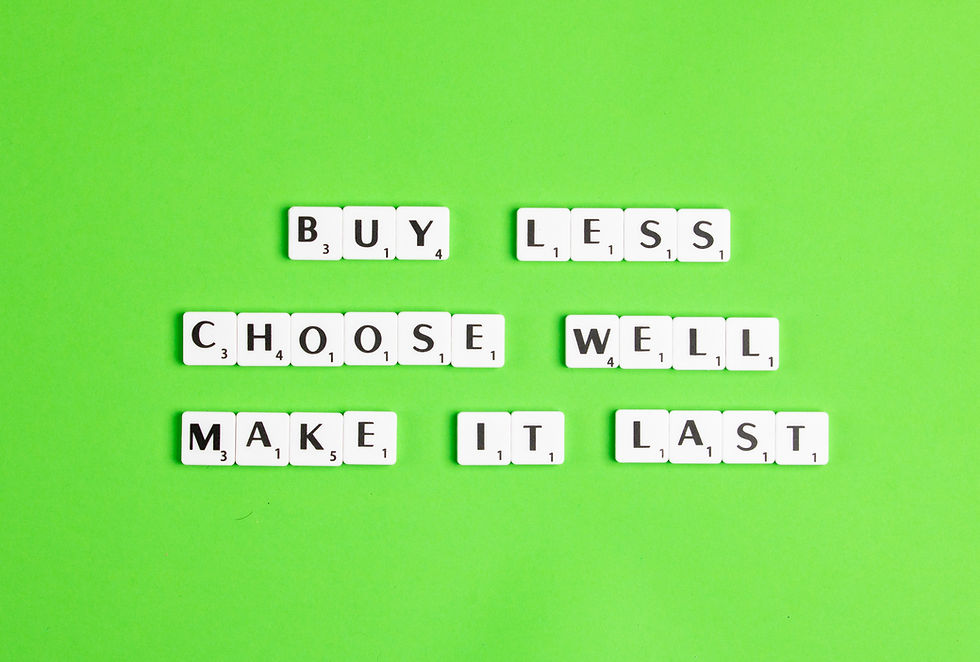
Shop Less, Choose Better
Reducing plastic isn’t just about what you buy. It’s also about buying less overall.
Before making a purchase, try asking:
Do I already have something that serves this purpose?
How long will I need this? Can I borrow this?
Could it be bought it secondhand?
Is there a version of this with minimal or reusable packaging?
Mindful shopping reduces plastic and clutter and saves you money.
Let Go of Guilt Around Plastic You Can’t Avoid
Some plastic is unavoidable or sustainable options just are not that accessible yet. For example, medical items, accessibility tools, safety packaging, and so forth may not leave you with a lot of options. Your own budget may also play a role. But remember, sustainability is not about being perfect. It’s about being intentional.
Progress looks like:
Making changes when replacements are needed
Learning as you go
Giving yourself grace when convenience wins
Earth Week Is About Momentum, Not Perfection
If Earth Week inspires you to make just one change, that’s a win.
Maybe it’s bringing your own bags. Maybe it’s switching one product to a refillable option. Maybe it’s simply becoming more aware of what comes into your home.
Small actions, repeated often, create real impact.
Want to Keep Going?
Reducing plastic pairs beautifully with:
Decluttering with intention
Supporting local and refill-based businesses
Choosing products made to last
If you’ve made a plastic-reducing swap you love, share it in the comments. Your idea might be exactly what someone else needs to get started.
Happy Earth Week. 🌎💚


Comments